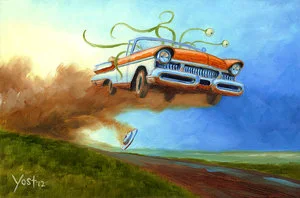
The Plymouth Barracuda

The Plymouth Barracuda

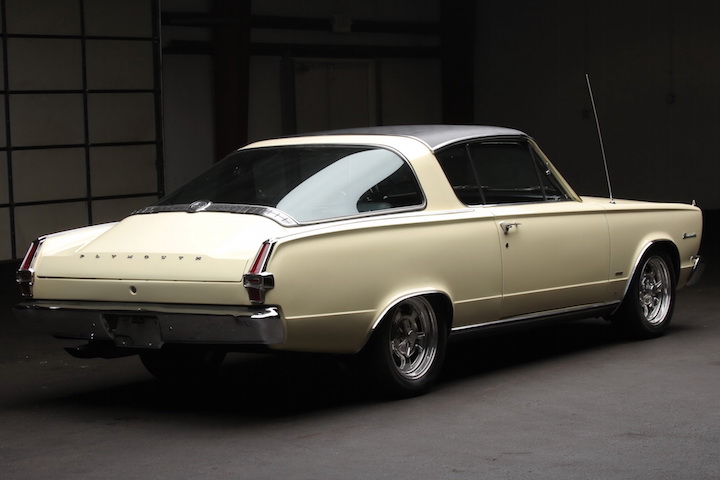
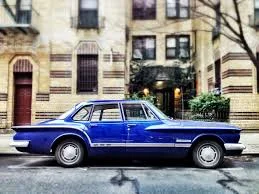
The Plymouth Barracuda was introduced on April 1, 1964 but it was no joke. It was a sporty derivative of the tried and true Valiant compact sedan. The Barracuda broke ranks with the vanilla Valiant sporting a sleek fastback roof, bucket seats, and an innovative fold-down rear seat that created a long flat cavernous cargo area. It might have been the coolest new car of 1964, had not 16 days later Ford introduced… the Mustang. 

Read More

American Microcars of the 40s, 50s and 60s

American Microcars of the 40s, 50s and 60s

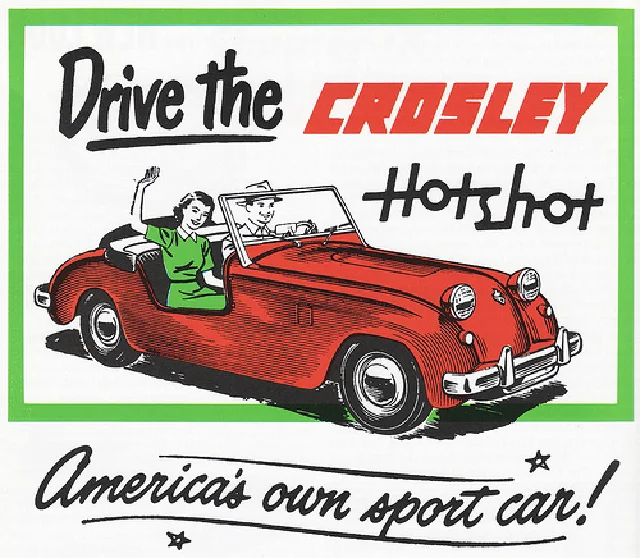
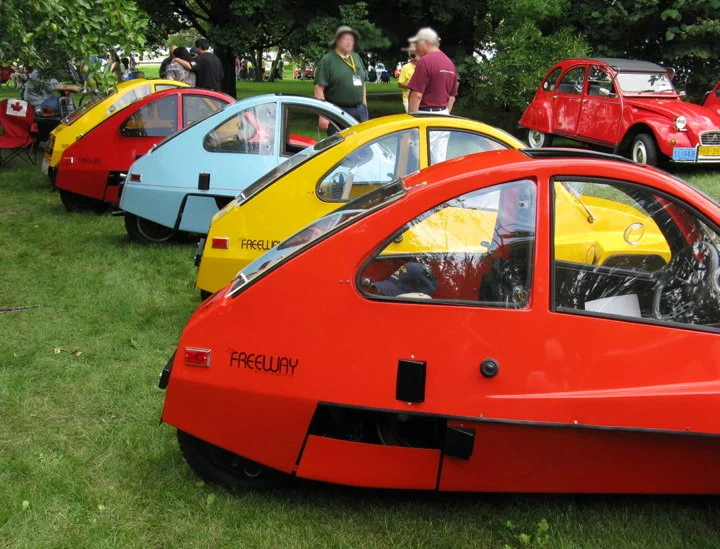
It was the mid-1940s. America was emerging from a decade and a half of depression and war. The nation’s industrial might and entrepreneurial spirit were now being focused on something they had not done in a long time…sell stuff. For the first time in years, Americans had money to spend. With their new found wealth, they wanted new suburban houses, washing machines, refrigerators and TV sets. But most of all they wanted automobiles. They wanted new cars to replace the old ones that for years they’d been holding together with spit and bailing wire. Demand was frenzied. Anyone making cars could sell cars…lots of them. The great Seller’s Market was upon us. And like wildflowers after a spring rain, strong demand brings forth entrepreneurs blooming with ideas to sate it. 

Read More

Tail Fins on a Budget: The 1960 Plymouth Valiant

Tail Fins on a Budget: The 1960 Plymouth Valiant

Many years ago I was out on a date with an artist, a hipster before anyone had thought of the term.  I’ve long forgotten her name but not her style. Upon discovering that I knew something about cars, she announced that her current dream car was a 1960 Plymouth Valiant. Really, I asked, not expecting that pronouncement and intrigued. She liked tail fins, you see, and the Valiant was the cheapest car she knew of that had them. 

Read More

Dreams Do Come True: The Dual-Ghia

Dreams Do Come True: The Dual-Ghia

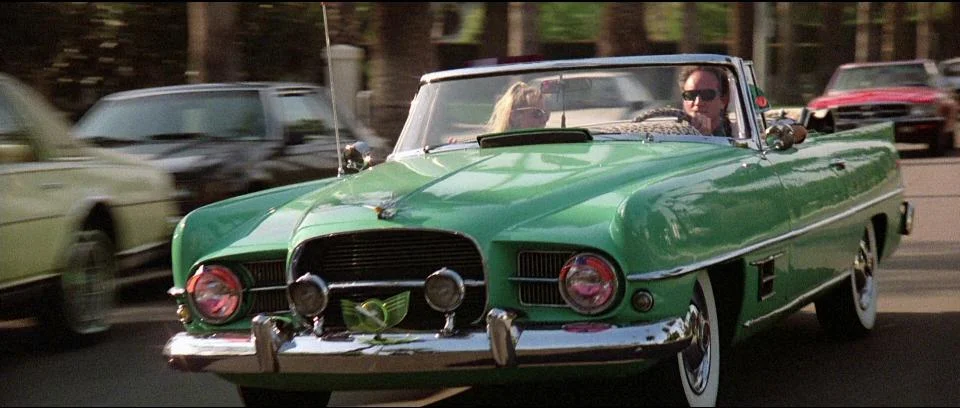
Ah, those glorious dream cars. Every big auto show features some. They rotate on their elevated stands, seductively draped in a glamorous model who enthusiastically rattles off feature after amazing feature. How often have we dreamed of ourselves behind the wheel of one of those rolling sculptures, maybe that glamourous model by our side, as we cruise the boulevard. Isn’t that why they call them dream cars? But how many of these dreams actually came true? Even if that beauty gets the go ahead for production, only a few of her amazing features make the cut. Maybe that cool grill stays, but those hand shaped lusciously curved fenders? Victims to the cruel realities of mass production. One dream did come true, however. In the end it was not a profitable dream, but it was a most delicious one.

Read More

The Subaru Baja: A Craig's List Ad says it all

The Subaru Baja: A Craig's List Ad says it all

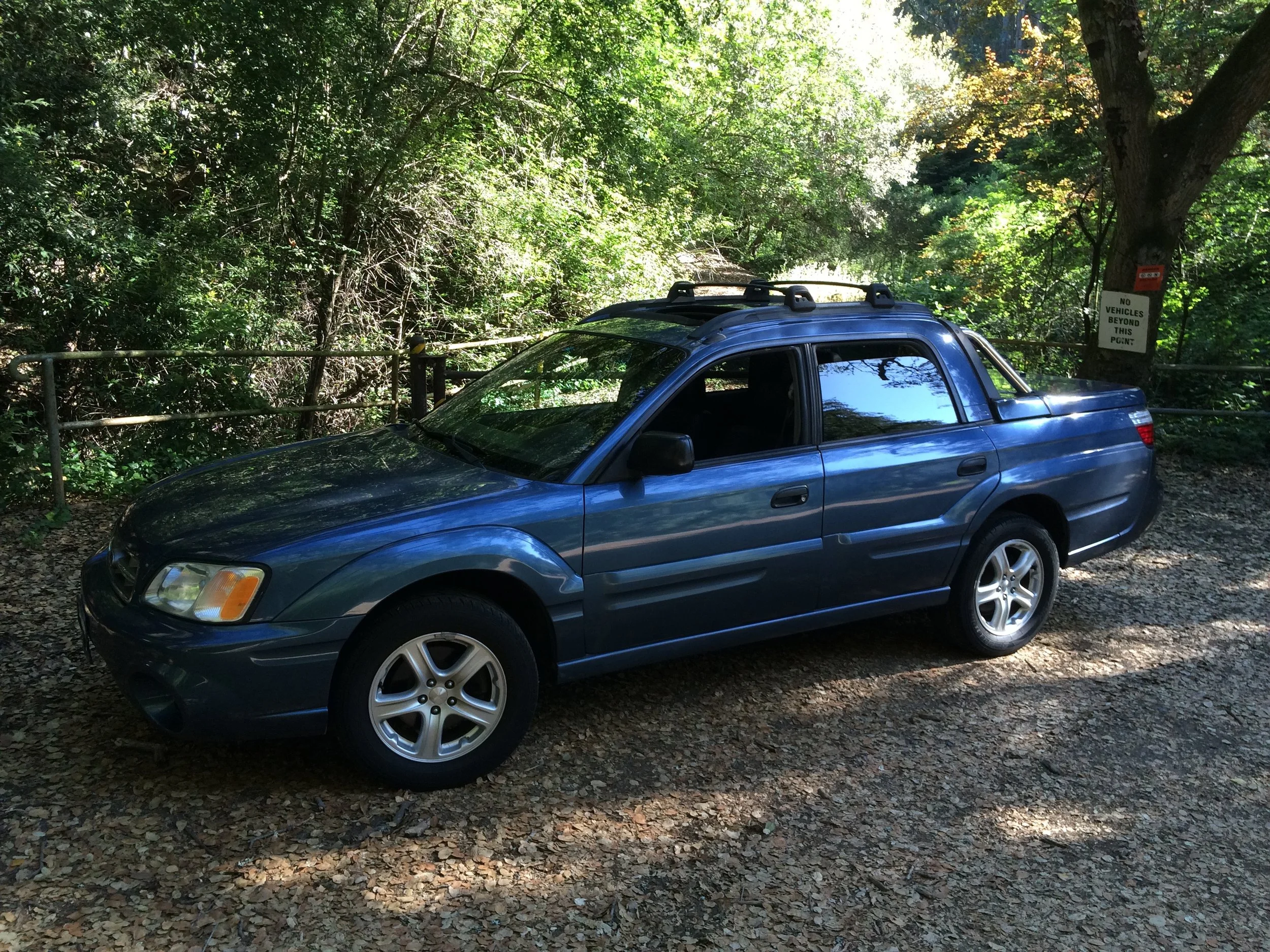
2006 Subaru Baja Sport

When the Baja hit the scene 15 years ago there hadn’t been a vehicle like it in America in decades - not since the Chevy El Camino, the Ford Ranchero or the Subaru BRAT. Unfortunately, there was not enough interest in car-based pickup trucks in the mid 2000s to justify the cost of making a second generation Baja. A total of only 30,000 of them were built from 2003-2006. In fact, this particular Baja was one of the last 3 ever sold in the Bay Area!

Read More

Minor Royalty: The King Midget

Minor Royalty: The King Midget

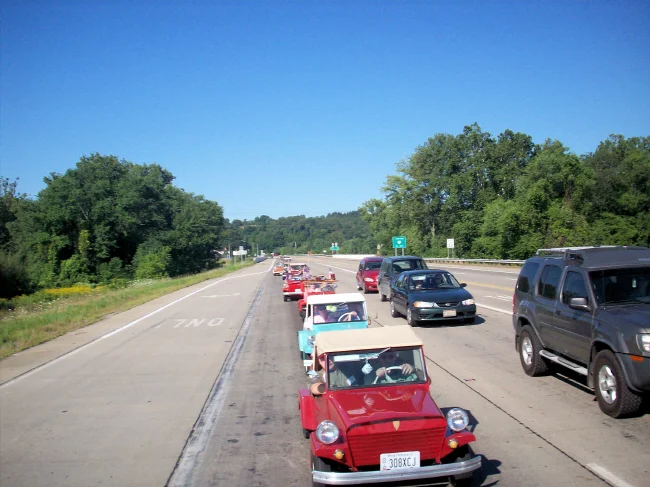
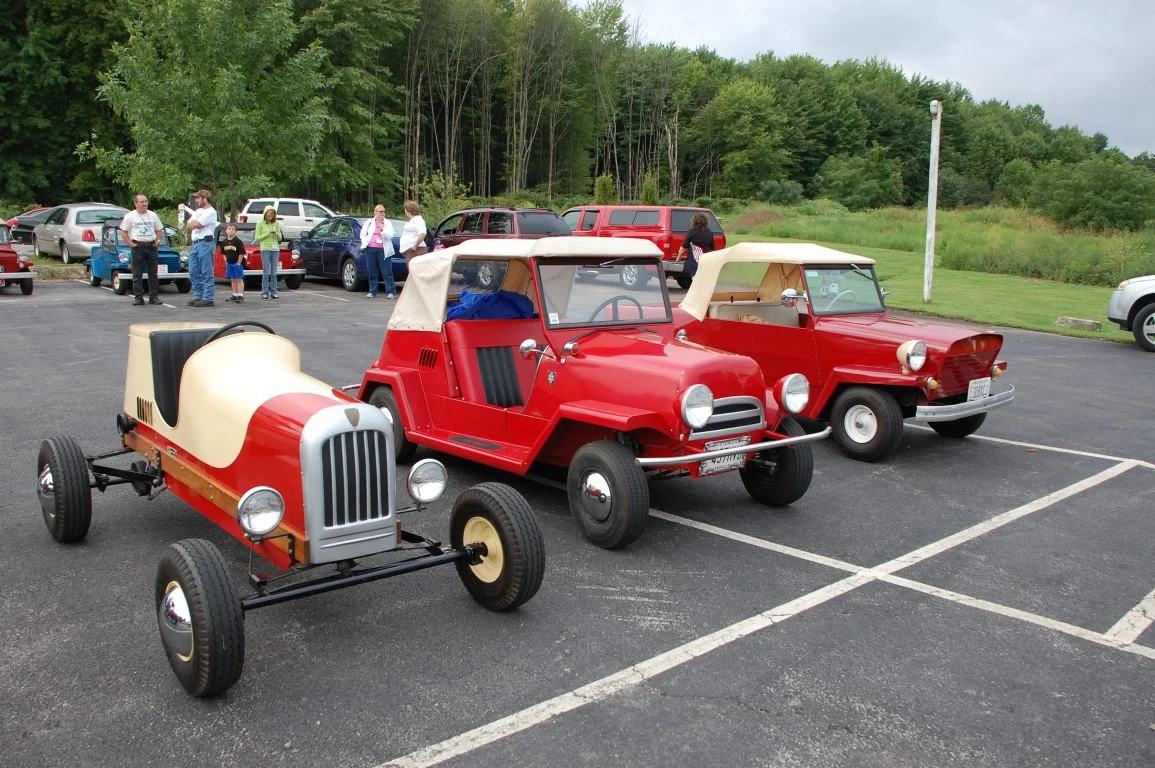
Midget Motors of Athens, Ohio made the King Midget micro car from 1946 to 1969. It was the most successful independent car maker of the last 75 years, though few have ever heard of it. How is that possible? Well, it depends on how one defines success. The measure of Midget was certainly not volume. The well-funded Kaiser Motors – which began the same year as King Midget - built over half a million cars over 10 years – 100 times Midget’s total sales. Of course, Kaiser lost the modern equivalent of over $1000 on each car it sold. Midget Motors made money on every one of its. Is success gaged by notoriety? The drama surrounding the amazing Tucker played out loudly and tragically in period newspapers and on magazine covers. Even though Tucker’s production was 1/100th that of Midget’s, its story was so compelling that 40 years after the fact, Frances Ford Coppola made a movie about it. No one is ever going to make movie about the King Midget. The car business is not for the faint of heart. Henry J. Kaiser lost tens of millions of dollars on his Last Onslaught on Detroit. Preston Tucker lost his shirt and his reputation on his Tucker Torpedo. Midget Motors’ owners, Claud Dry and Dale Orcutt, on the other hand, carried no debt when they sold their company after two decades of profitable operations. It seems that succeeding small can be pretty dull stuff when compared to failing big.

Read More
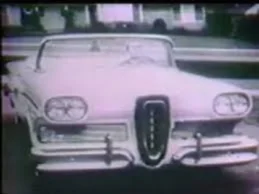
The Mercury Turnpike Cruiser

The Mercury Turnpike Cruiser

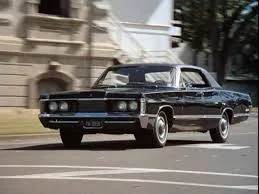
To understand the Mercury Turnpike Cruiser, one must understand the times in which it was conceived. 1950s America was experiencing growth and wealth like no other time in history. The automobile industry responded accordingly. Cars got bigger. Features were added. Power rose as well, although most of the latter was applied to lugging around additional bulk caused by the formers. To give visual movement to all that mass, designers took inspiration from the premier technologies of the day, rockets and jets. It started innocently enough, a fin here, a spear there. Soon, fenders and bumpers were sprouting wings and thrusters. The Jet Age was upon us. One after another, new cars seemed to burst from the pages of a science fiction comic book, each more opulent and outrageous than the one before. It was a chrome encrusted orgy of SciFi bling.

Read More