Remembering Pontiac

Remembering Pontiac

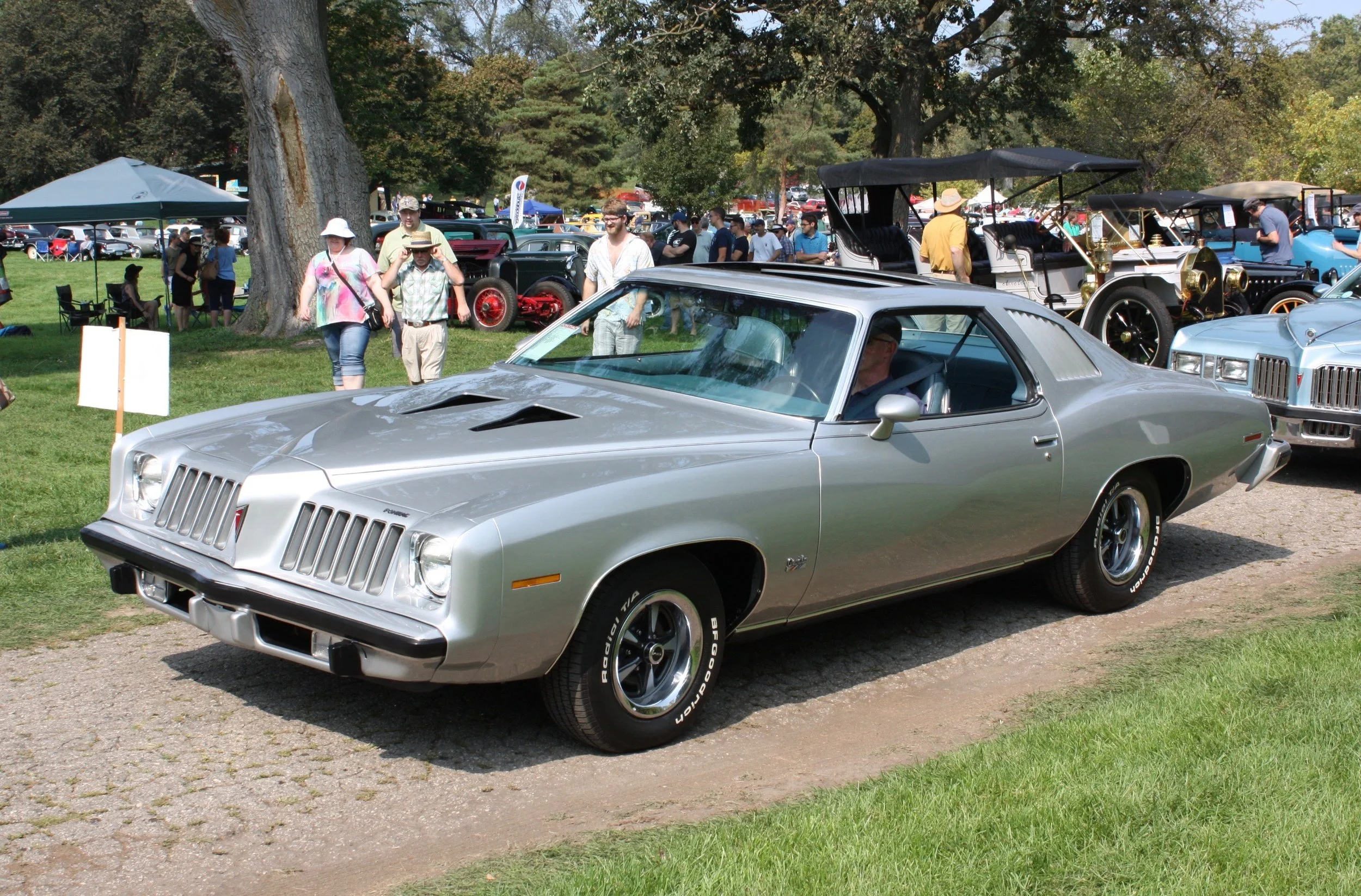
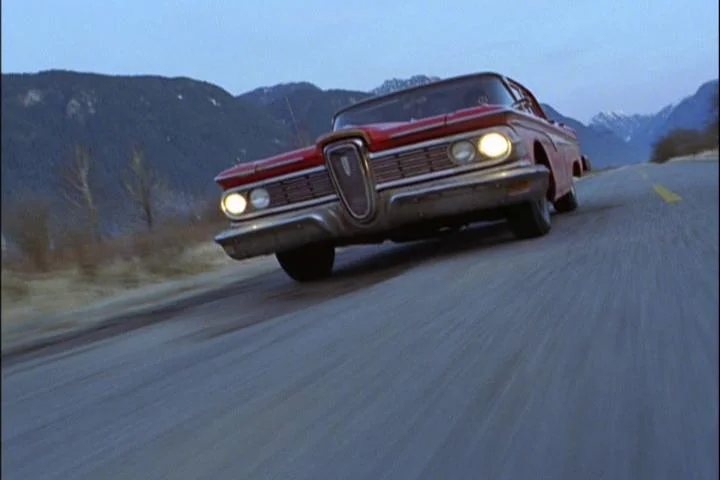
When I came to know Pontiac as a kid it was a good time to know Pontiacs. This was a make that took risks. It had its ups and downs, its deaths and rebirths. The Pontiac Division of General Motors had just seen three brilliant management teams in succession guide it from the brink of extinction in 1956, to its pinnacle which I was witnessing as a pre-teen in the early 70s. Pontiacs took up more than their fair share of real estate on my bedroom wall - before later giving way to Cheryl Tieges and Farrah Faucet-Majors. In a way, the two art themes were not so different, only the preoccupations of the viewer had changed. Pontiac’s looked hot! Unlike the other of GMs lost makes that have been gone for a decade now, the story of Pontiac is fun to think about. Upstart Saturn was a tragedy pure and simple: A great and heroic quest that was done in by corporate jealousy and atrophy. Grand ol' Oldsmobile's fate flowed like the opus of a life lived well. It had early glory, a long steady rise, and then a much shorter but just as steady decline. Oldsmobile’s very name all but ensured that one day its time would come. The audacious Hummer and the quirky Saab were no more than corporate larks. "Here's a trend, " said some suit in Detroit, "Let's follow it." Things couldn't have ended well for Saab; they shouldn't have for Hummer. But over at Pontiac, you never quite knew how things would turn out. Pontiacs were exciting! The occasional few that weren’t? Well, at least they were interesting. With Pontiac, it was all about the cars. So why don’t we let the cars tell the story. 

Read More
The Woodill Wildfire

The Woodill Wildfire

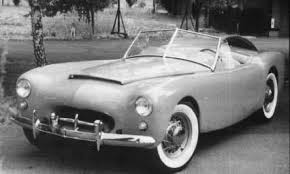
The Woodill Wildfire rode the lip of a wave sweeping over America in the early 1950s. Sports cars had been absent from the scene for too long. The great makers of the classic era - Auburn, Duesenberg, Marmon and Stutz - were all pulled under by the Great Depression. The 1940s were pretty much consumed by war and its aftermath, with little energy remaining for the frivolity of sports cars. But as servicemen began to return home, they brought with them a taste for the fast, minimalist machines - Morgans, Singers, Rileys and Triumphs - they had on occasion flogged through the English countryside. Detroit was busy at the time filling America’s pent up demand for cars, any cars, with stodgy old sedans based on pre-war designs. By the late 40s a few British roadsters were being imported, namely MGs and Jaguars. But they weren’t really suited to American needs. By the dawn of the 1950s, the time became right for an all-American sports car. Everyone knows about the Chevrolet Corvette, the fiberglass dream car that wowed the nation when it debuted in mid-1953. Many credit the Corvette as being the first post-war American fiberglass sports car. Many are wrong. Predating the Vette by a more than a month was the Woodill Wildfire, a luscious little roadster that, had history taken a different turn, might have been the one known as “America’s Sports Car.”

Read More

The Gaylord Gladiator

The Gaylord Gladiator

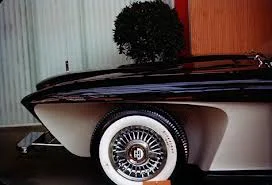
Dreams can come true when money is no object. The Gaylord grand touring sports car was the brainchild of James and Edward Gaylord, heirs to a fortune built on their father’s invention of the bobby pin. The Gaylords were auto enthusiasts in the grandest sense. They found themselves dissatisfied with the offerings of the high performance luxury sports cars of the 1950s. They mourned the passing of the great marques, Bugatti and Delahaye, Duesenberg and Stutz. The brothers set about to build a car that, like those storied makes, possessed panache worthy of the finest streets of Paris or New York, with the performance to compete on the tracks of LeMans or Monaco, the most advanced and spectacular luxury sports car in the world. They succeeded…as long as you don’t count commercial viability as one of the criteria. 

Read More

3-Wheeling with Davis

3-Wheeling with Davis

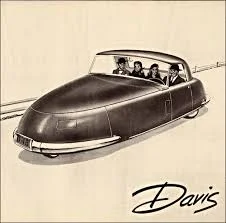
The Davis Motor Car Company was founded in 1946 in Van Nuys, CA, an industrial city near Los Angeles. While Van Nuys was a long way from the auto-making hub of the Midwest, the area was at the heart of the budding aerospace industry. Southern California was also the birthplace of the Hot Rod culture. Rockets and rods, both would play key roles in the story of this curious little car.

Read More

Stutz: Legend and Pretender

Stutz: Legend and Pretender

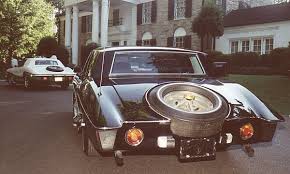
For more than 20 years during the early 20th century, Stutz was a builder of some the finest automobiles in the world. Like so many other of the great marques - Mercer, Marmon, Pierce-Arrow - Stutz was felled by the Great Depression. But Stutz alone experienced resurrrection. After more than three decades of slumber, the venerable name was again spelled out in chrome. For its second coming, however, Stutz automobiles were decidedly less distinguished.

Read More

Willys Part 3: America's Soldier, Willys' Savior

Willys Part 3: America's Soldier, Willys' Savior

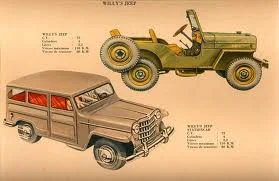
In a strange twist of fate, the booming post-war seller's market dealt Willys-Overland a challenging hand. Four years of pent up automotive demand was screaming to be freed. Carmakers were in a mad scramble to ramp up civilian production and sell every car they could build. The seller’s market extended beyond just the manufacturers. Suppliers of everything from components to steel could pick and choose the highest volume contracts with the fattest profits. After a terrific run with the military Jeep, Willys now wanted badly to put on its civvies back on and start building cars again. But no supplier wanted to produce bodies for a small maker, especially one with a couple of bankruptcies under its belt. Frozen out, Willys was forced into the role of scavenger, looking for automotive opportunities wherever they could be found. Fortunately, what better vehicle was there for probing at the fringes than the go-anywhere Jeep?

Read More

Willys Part 2: The US Army Jeep

Willys Part 2: The US Army Jeep

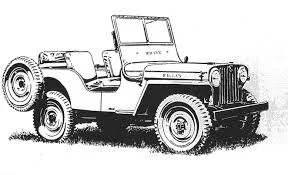
What is Jeep doing on a site about makes that didn’t make it? It is one of the most successful and valuable brands in the world. At its core, the Jeep is a bit like the soldiers it transported. It did the grunt work and served its commanders. Willys, Kaiser, AMC, Renault in America, and Chrysler, one by one over the years those commanders would retire or be deposed, while the Jeep soldiered on. It is Willys that usually gets the credit for fathering Jeep. Indeed, Willys built more than a third of a million of them over the course of WWII. It was Willys that thought to secure a patent in 1943 on that not yet storied name. But it was a small firm in Butler PA who was first to produce the nimble light reconnaissance truck that would soon be called a Jeep. 

Read More

Willys Part 1: Before the Jeep

Willys Part 1: Before the Jeep

Willys Overland is best known as maker of the original Jeep. With good reason. That little truck helped win a world war. The parent company, however, predated its famous aspiring by 40 years, holding a memorable place in its own right in the annals of automobile history. The original Overland of 1902 was one of the very first cars to employ the front engine, rear drive layout that would become the industry standard for the next half century. Willys was the second bestselling car in America during the 1910s, still #3 by the late 1920s, and its strong performing compact cars of the 1930s dominated that category decades before anyone thought to give it a name. The Willys brand did not survive the industry’s post-war consolidation. But through the Jeep name, passing though no fewer that 7 owners...and counting, the Willys-Overland soul lives on.

Read More

The Thomas Jeffery Co

The Thomas Jeffery Co

Like the nation it was named after, the 100-year history of American Motors derives its essence from many varied automotive cultures. The story of America’s “last independent” spans the early years of The Thomas Jeffery Co, a nascent General Motors to Nash Motors, later absorbing Hudson, Kaiser and Willys-Jeep, to the French fling with Renault, and finally the Chrysler Corporation, who laid this storied make to rest. This is the first of an occasional series.

Read More