The Tale of the Dale

The Tale of the Dale

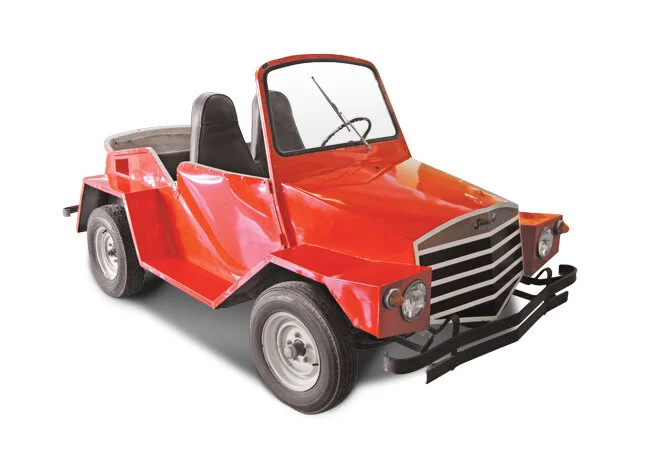
The Dale automobile was revealed to the world in late 1973, and the world was interested. It was a time when the U.S. car industry was in turmoil, struggling to absorb the triple wallops of fuel shortages, new emission and safety regulations and a brutal recession… and doing it all quite clumsily. Things got so bad that industry observers had begun wondering aloud if America’s Big 3 dinosaurs would even survive. The time was surely ripe for a new way of approaching the automobile. On cue, a colorful collection of salesmen, dreamers, and scalawags were lining up to make their pitch. Malcolm Bricklin’s gull-winged safety sports car had potential. If Bricklin had been as good at making cars as he was selling them, he might have made it. Bob Beaumont’s electric powered CitiCar might have single-handedly saved the nation from a couple of energy crises, had only period battery technology been up to the task. But the most interesting of them all may have been Geraldine Elizabeth Carmichael, president of the 20th Century Motor Car Company. She promised a space-aged plastic 3-wheeler called the Dale, that got 70mpg and cost just $2000. As it would turn out, the car, the company, and their creator, were not quite what they appeared to be.

Read More

The Eclectic Electric Sparrow

The Eclectic Electric Sparrow

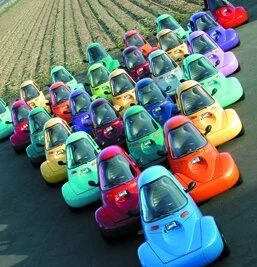
As we close the books on the second decade of the twenty-first century, electricity’s role in personal transportation seems assured. The market share of electric vehicles in the industrialized world approaches 5% in some regions, and is expected only to rise from there. This was far from the case 20 years ago when the electric powered Corbin Sparrow made its debut. Then, EV sales were lucky to register in the hundreds annually. But this was also the height of the dot.com frenzy. Entrepreneurs everywhere were promoting their vision of what lies ahead. It seemed quite reasonable then, that this tiny one-seat electric pod might one day carry us toward a utopian future of personal transportation. Like countless other brainchildren of that age, the Sparrow’s flight was as brief as it was bright.

Read More

Henney Kilowatt: Re-Sparking the Movement

The drive to electrify the automobile is in the assent. The U.S. EV market in 2020 surpassed 5% of car sales in some regions. The Tesla Model 3 is currently the #12 selling car in the nation. If you are a fan of plugged in propulsion these are pretty exciting times. But if you look back, way back to the turn of the previous century, electricity was actually the number one power source for cars in 1900. But the buzz wouldn't last. In 1912, General Motor’s brilliant chief engineer, Charles Kettering, changed everything when he introduced on a Cadillac the first workable electric starter. It eliminated the need for the difficult and dangerous hand crank, and thus swept away electricity’s #1 selling point. Over the next half dozen years, electric car sales ground to a halt…or quietly stopped, since EVs don’t grind.

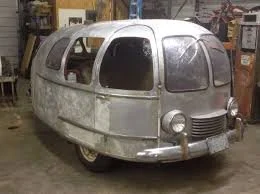
But about halfway between then and now we discovered air pollution. Soon its roots were traced to CO2 spewing automobiles, and we began to cast about for cleaner ways to get around. In 1959 Emerson Radio of all people thought they had found that way. They teamed up with the Henney Body Company to make the first serious attempt at an EV comeback. Well, maybe it wasn’t all that serious. The Henney Kilowatt was based on the Renault Dauphine (at that time the #2 selling imported car in America) The Dauphine’s clattering little 4-cylinder engine was replaced with a 36V motor that could propel it silently for 40 miles on a charge.

The Killowatt was about half the size of a typical American car but cost twice as much to buy. So maybe it isn’t surprising that only about 50 of them were sold - mostly to utility companies for research or promotional duties. By the close of 1961, the lights had been shut off on Henney Motors… and Renaults went back to being noisy.
www.electricandhybrid.com

The Story of DeSoto

The Story of DeSoto

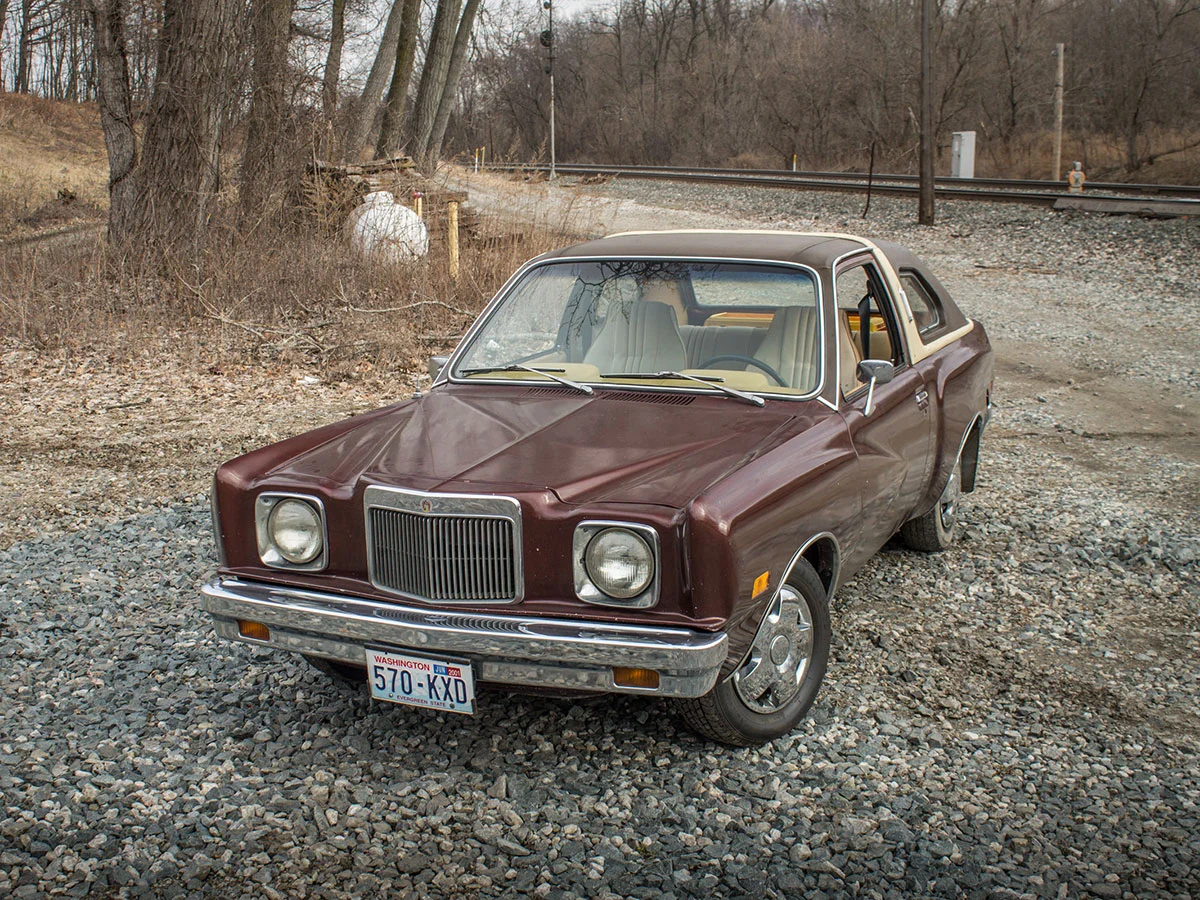
The DeSoto automobile was launched in 1928 as part of a new and rapidly expanding Chrysler Corporation. Conceived to do battle in the fast growing mid-priced range, DeSoto‘s position in the price/prestige strata was between the budget-minded Plymouth and the luxurious Chrysler. Through a series of events, DeSoto was also wedged sometimes awkwardly alongside a newly acquired but well-established Dodge brand. With such a family dynamic is it any wonder that throughout its 33-year history DeSoto struggled for recognition. Ask any DeSoto devote’ and they will rattle off half a dozen delightful models. But to the average car buff, the name is but a blip on the screen of automobile awareness. DeSoto’s anonymity is especially true for those of us born after 1960, the marque’s final year. We know the stunning 1957 Adventurer, of course, with its graceful soaring lines and mighty Hemi engine, arguably the apex of 1950s American automotive design. After that, the marque is mostly remembered in B&W images of 1940s taxicabs from old movies on the late show. Such was the DeSoto lot in life; a middle child forever fighting for its rightful place within the Chrysler family of cars.

Read More