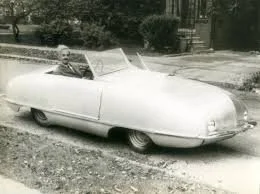
Not Much of a Car: The Autoette

Not Much of a Car: The Autoette

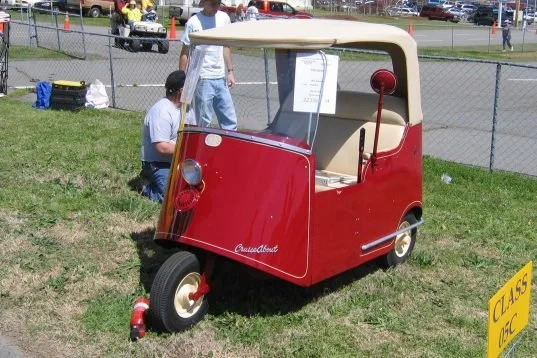
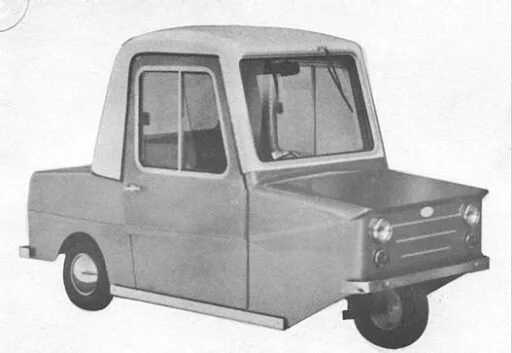
To call the Autoette a car is a bit optimistic. This tiny 3-wheel electric vehicle was developed just before the war by Robert Tafel, an electrical engineer from Long Beach, California. He meant it to be used mainly as a wheelchair for polio sufferers and retirees of which Long Beach had fair number. In wartime, they were used by the military to move materiel around local warehouses quickly without using any precious gasoline. After the war, an entrepreneur named Royce Seevers began making them for public consumption under the Autoette trade name.

Read More

Take to the Air in an Airways

Take to the Air in an Airways

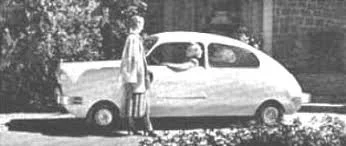
Theodore Parsons Hall took a roundabout route to becoming a carmaker. After earning an engineering degree in 1931 at the Massachusetts Institute of Technology, he went on to work for Consolidated Vultee Aircraft Corporation (CONVAIR) out in San Diego. He eventually became chief development engineer on first the PBY Catalina maritime reconnaissance plane, and then the B-24 Liberator heavy bomber. If some of those names sound familiar, it is because Hall was working at the very same facility where John Leifeld spent his spare time developing the Bobbi-Kar - which, after flim-flam man S.A. Williams was shown the door, became the Keller (Chapter 3). It is possible that the Bobbi-Kar’s designer even worked for Hall at some point during the war years. But while Liefeld was an automotive engineer from Detroit drafted to build airplanes, T.P. Hall was an aeronautical engineer who would make cars fly.

Read More

The Electra-King: "King of the Electrics"

The Electra-King: "King of the Electrics"

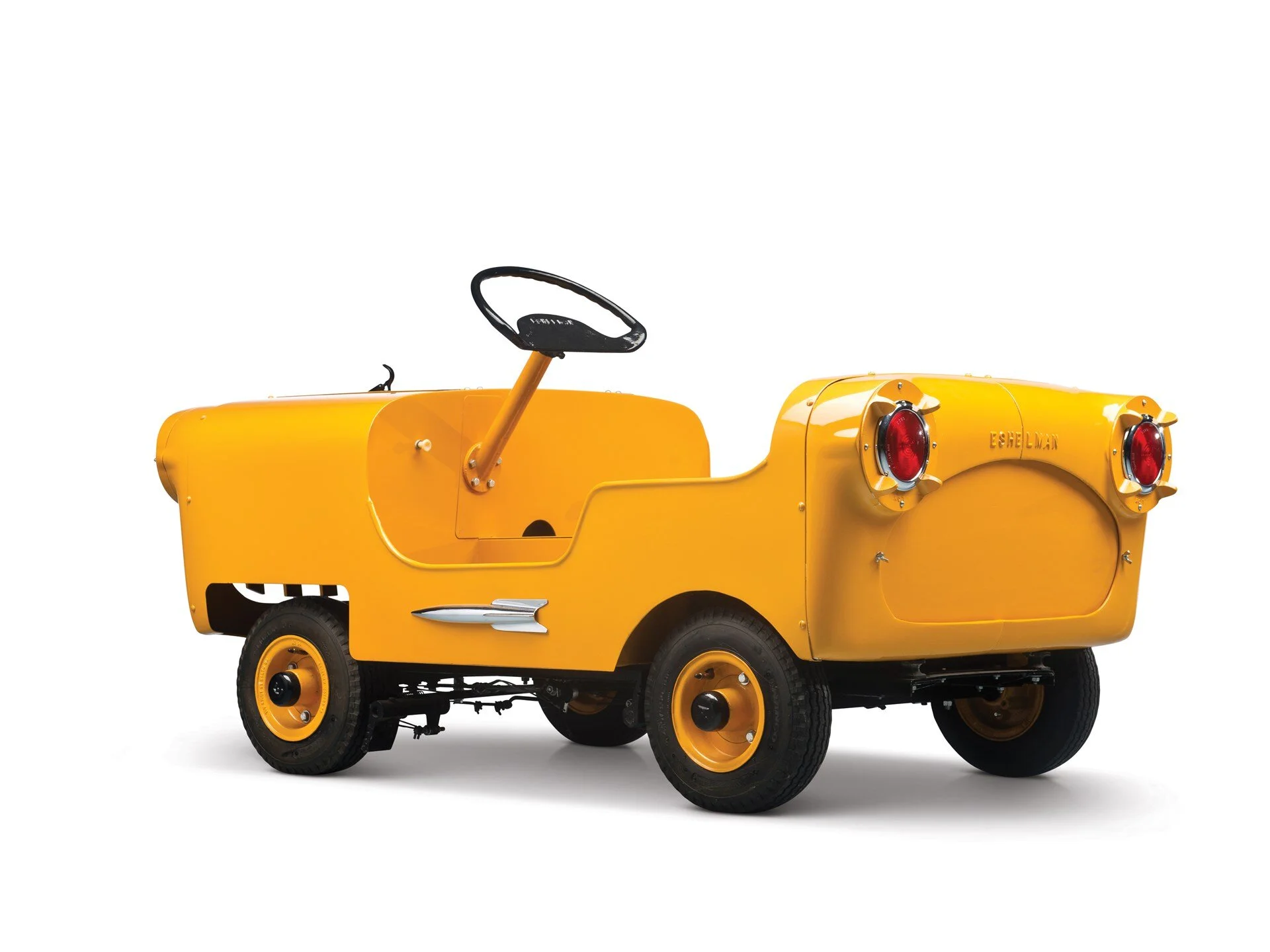
During the 1960s and 1970s, the self-proclaimed “King of the Electrics” was the Electra-King, made by B&Z Industries of Long Beach, California. During the first half of the King’s 17-year reign it was not much more than a 3-wheeled golf with an enclosed body. Its six-6V batteries powered a 1hp army surplus tank turret motor that could propel the 500lb cart to 18mph. That was probably plenty fast, as the E-K had no front brakes. After an ownership change in 1972, the Electra-King could be had with a bit more power and with 4 wheels…but not 4 brakes. The King may have been a favorite of octogenarian Richard Petty wannabes for roaring (quietly) around their retirement communities.

Read More

Hewson Rocket

Hewson Rocket

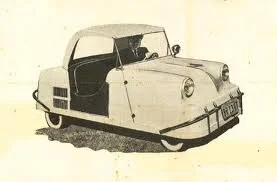
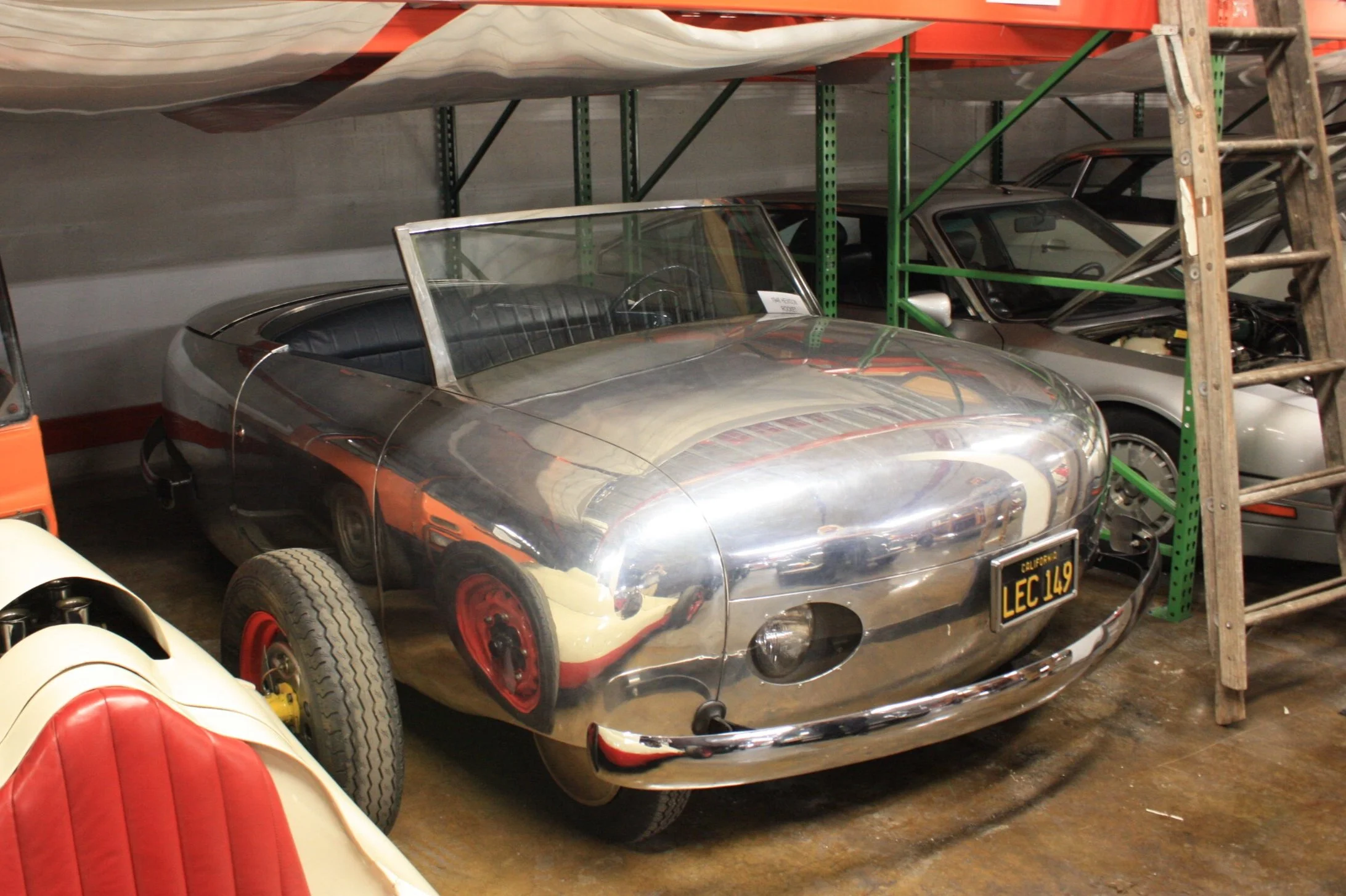
The Hewson Rocket was conceived by Southern Californian, William “Shem’ Hewson, who set out to design a low priced sportster that was fun to drive and have the latest in rocket age aerodynamics. Few other cars have ever employed a trapazoidal wheel pattern, where a car’s front and rear axles differ significantly from each other in length (meaning it leaves four distinct sets of tire tracks) And only the exhalted Citreon DS was a comercial success. But whereas the DS was considered a “Goddess” among cars, the Rocket proved to be all too mortal.

Read More

The Russell Gadabout

The 1947 Gadabout was created by Ray Russell, a Detroit engineer who possessed an active mind and an artist’s soul. Its body was sleek and sculpted, and made of aluminum using just 4 different panels. Those were stretched over an MG chassis that retained its 80in wheelbase, but it was widened to allow for 3-across seating. (Gadabouting, v. Three people driving around while squished together)

While the space between the Gadabout’s wheels is very short, that was made up for with very long overhangs. This allowed Gadabout owners to specify whether they wanted their engine to be mounted in front of the front wheels or behind the back ones - though why anyone would want that choice is a mystery to all but Ray Russell.

At any rate, such flexibility was made possible by the fact that the car had no axles or transmission. All four wheels were suspended independently, aircraft-style, each with a coil spring and torsion bar. The two drive wheels, whether they be in front or in back, had a small motor in each hub driven by oil pressure from the engines’ crankshaft. And that engine was also no technological slouch either. The air-cooled, two-stroke unit had direct fuel injection and a turbocharger - a first on an American car.

It was claimed the Gadabout could do 50mph and get 50mpg. No wonder Popular Science, Mechanix Illustrated and Hemmings magazines all called this technological tour de force some variation of “the car of tomorrow, today.” Unfortunately, the little runabout never made it out of yesterday. Only one was ever made.  
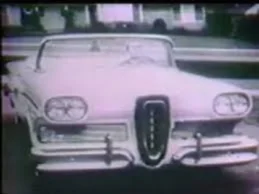
Russell Gadabout_Hagerty.jpeg

Source: Hagerty Media 10/13/17, by Jeff Peek