Hailing the Checker

Hailing the Checker

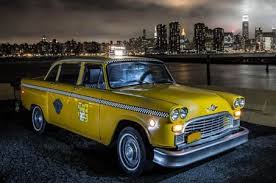
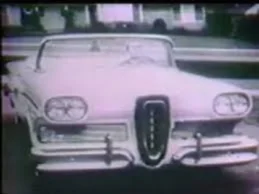
If you grew up in or frequented any big Eastern city during second half of the 20th Century, you have seen a Checker. Probably you’ve ridden in one, most likely amid the mixed aroma of spiced meats, cleaning fluid and vomit. Drive one? Without a stint as a cabbie it’s hard to imagine. But by happenstance in the summer of 1983, this writer did have the pleasure of driving a Checker without need of a hack license. In between graduating from college, and starting my first “real” job, I worked as a chauffeur for a drive-your-car service in southern Connecticut. This was decades before Uber or Lyft. Then, when a driver was needed, we would be dispatched to the client’s house, and then chauffer them in their own vehicle to where ever they needed to go. Most every trip was to or from a New York area airport. Most every car was the ordinary fare of early 1980s suburbia; Oldsmobiles, Buicks, the occasional Honda. But one fine day the drive would not be to the airport, and the livery would be anything but ordinary.

Read More
The Playboy: A Product of Its Times and a Victim of Them

The Playboy: A Product of Its Times and a Victim of Them

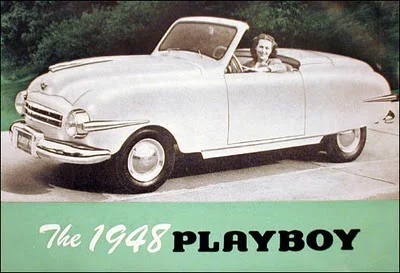
Pity the Playboy. This darling little roadster with the world’s first retractable steel roof was launched in the heady times following WWII, when the can do spirit reined supreme, where anything seemed possible. The Playboy was a contemporary of the famous Tucker. It was a bit less ambitious, but just as optimistic. The master showman Preston Tucker sought to change the way the world thought about automobiles. Playboy’s founders just wanted to sell a bunch of them to young people and housewives. Alas, the promise of the times proved illusory, at least for startup car companies. The Tucker and the Playboy shared a similar fate.

Read More

Continental: The Finest of Fords

Continental: The Finest of Fords

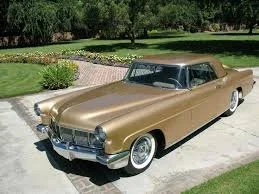
The Continental’s chrome script has been affixed to the cars a top the Ford Motor Company line up for the past 80 years. Sometimes those cars were rarified classics like the original 1939-41 Continental, or the 1956-57 Mark II. In more forgettable times the name appeared on forgettable cars like the 1982-86 bustleback sedans. Whether it was a beauty or a beast, that depended on the state of automobile design of the day. The following is a stroll through the fond memories of Dearborn’s finest car. 

Read More

Pre-War Plymouths

Pre-War Plymouths

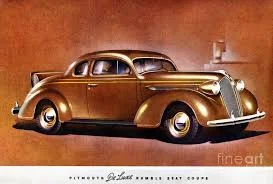
The low-priced auto market of the late twenties was dominated by Ford, challenged by Chevrolet, and seasoned with a progression of lesser marques vying for the 3rd spot on the podium. With its new Plymouth brand, Chrysler Corporation sought to disrupt that arrangement. While Ford was known for its manufacturing efficiencies and General Motors for its marketing prowess, Chrysler Corporation to its core was an engineering powerhouse. Chrysler’s Plymouth was a cut above in terms of performance and refinement.

Read More

The DeSoto Airflow: Ahead of It's Time and Left Behind

The DeSoto Airflow: Ahead of It's Time and Left Behind

The History of the Automobile is littered with tales of cars so advanced that they flopped. Their technical or stylistic achievements were greeted in the marketplace with hesitation and suspicion. Trailblazers paid the price for being first. The 1962 Oldsmobile Jetfire was the first car to use turbocharging, deivering big block power from a smaller more efficient engine. The Jetfire flamed out after 2 years, but a decade later Turbo Saabs and Buick T-Types made inter-cooling cool. The versitile Scout Scarab of 1936 was the first minivan. But after selling a total of 9 copies, it was the last one for 45 years before the Plymouth Voyager took suburbia by storm. Honda’s 60mpg Insight of 1999 introduced us to gas-electric hybrid technology. The Insight barely achieved 4-didgit annual sales, while just a few years later Toyota’s Prius would become the suburban eco-warrior’s front line weapon against climate change.

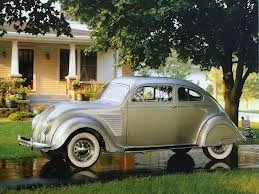
And then there was the 1934 Airflow, the car that brought automotive aerodynamics into mainstream consciousness…and nearly destroyed the DeSoto brand, and the Chrysler Corporation along with it.

Read More

Free Fall: The Plymouth Volare

Free Fall: The Plymouth Volare

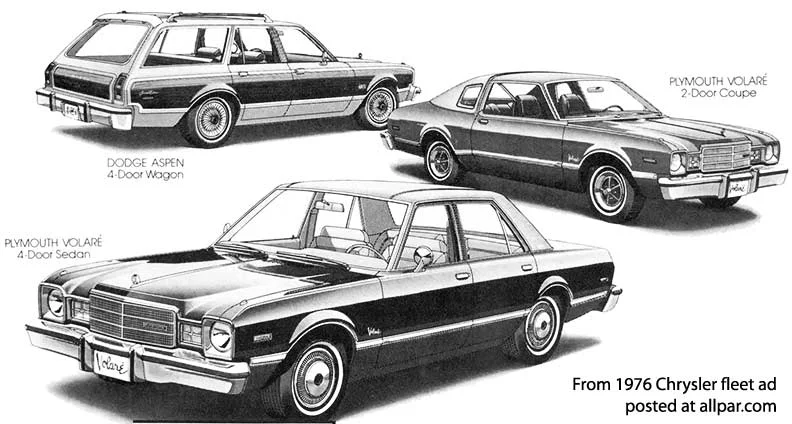
The Volare was probably the most memorable Plymouth of the 1970s, but for all the wrong reasons. It was a memory most Volare owners would like to expunge. It was the most problem-plagued, recall-ravaged car in history. Volare is Italian meaning, ‘to fly.’ But within two years of this new Plymouth’s introduction in 1976, the name came to mean, “I got stuck with a lemon.’

Read More

Mid Century Plymouths: A Time When Time Stood Still

Mid Century Plymouths: A Time When Time Stood Still

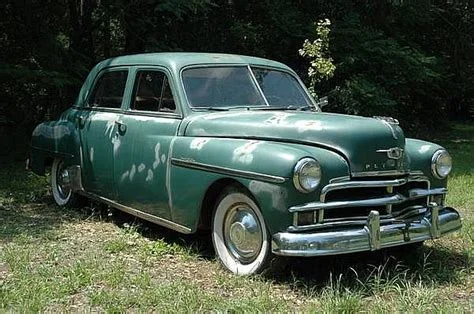
Plymouth rolled out its all-new 1942 models a few months before World War II forced the shutdown of all civilian automobile production. It would be almost four years before America’s industrial might would be relieved of its war-time service. When consumer production resumed in late 1945, demand for new cars was frenzied. Car-starved consumers snapped up any new car they could find. Carmakers had to ramp up production fast. The most expedient way was to dust off their 1942 tooling, swap in some new bits of trim and call them ‘46s. No one would complain that they were getting warmed over 4- year-old cars so long as their odometer read “0.” And why bother spending on brand new ‘47 or ’48 models either, so long as the sellers-market still raged. Not much needed changing but the VIN numbers.

Read More

Eagle: The Automotive Version of a Harlequin Romance

Eagle: The Automotive Version of a Harlequin Romance

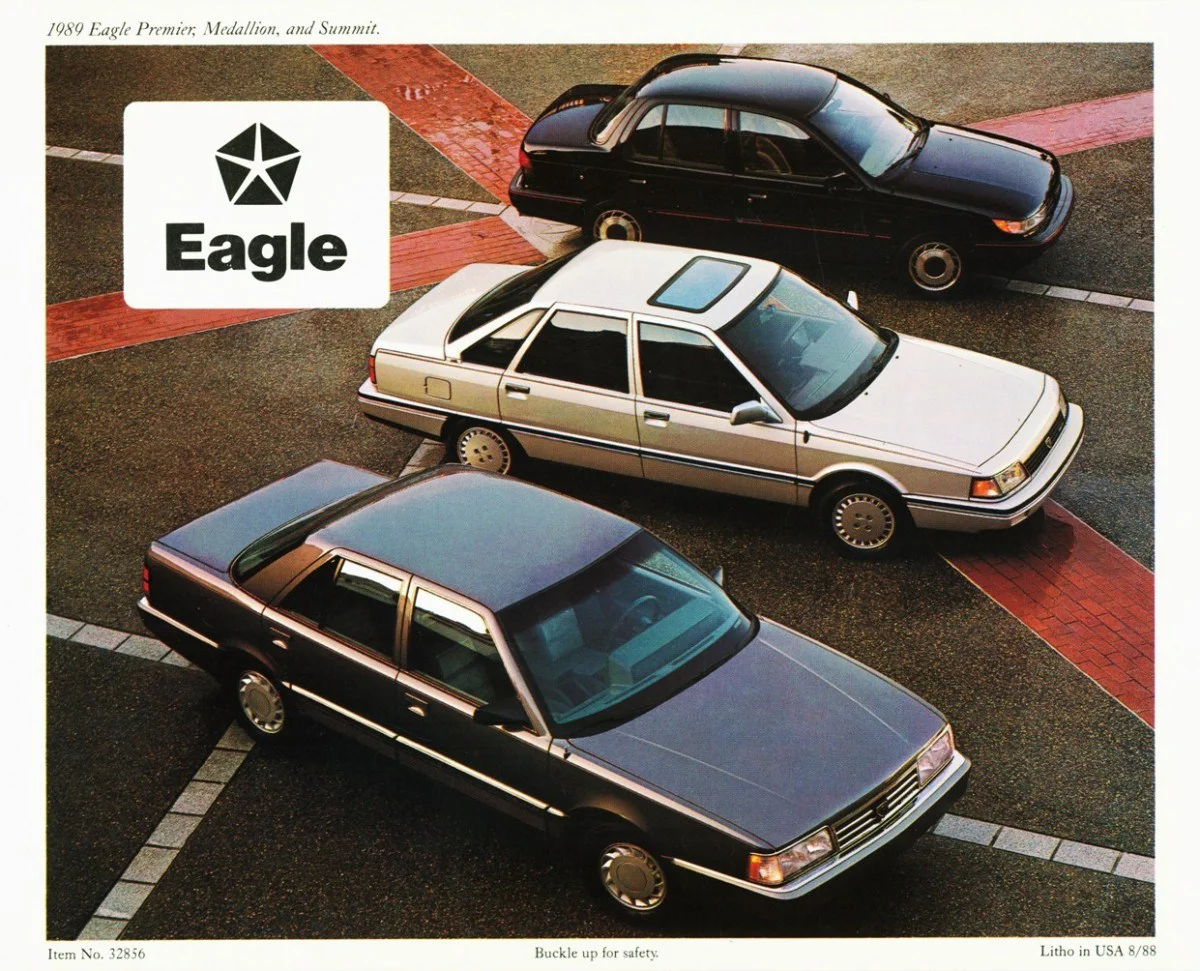
The lineage of the Eagle brand spans five automobile companies from four nations. Eagle was paired with the fabled Jeep line. It sold close to half a million cars over 10-years. Despite all that, you’ve probably never heard of Eagle. Too bad. The story contained all the elements of a good novel; romance, betrayal, farce and tragedy. It even produced a couple of excellent cars. The only thing the story missed was a purpose. No one ever stopped to ask what need Eagle filled. But then, if they had asked, we would have no story. 

Read More

The Crofton Bug

The Crofton Bug

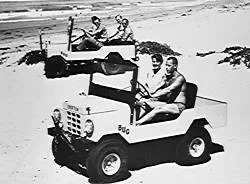
The Crofton Bug was a pint-sized truck-let built in San Diego, California from 1958-1964. The Bug was nearly a foot shorter and 1000lbs lighter than the original WW2 Jeep. Do not confuse this Bug with the more famous insect from Germany. The Volkswagen was called the Beetle (and nicknamed Bug) because its U.S. ad agency thought it was cute. The Crofton was called the Bug because it crawled over rocks like one.

Read More